

Similar Posts
An interview with our product manager
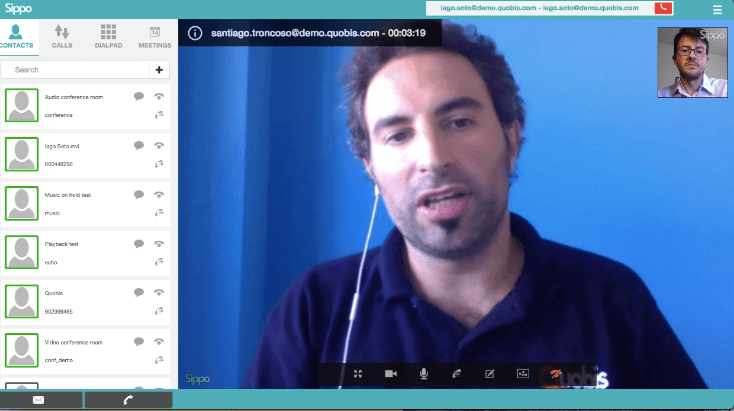
(IAGO) Hi all. It’s Iago Soto from Quobis. Today we are going to talk about the new releases of Sippo. Sippo has version 2.3 in GA and we are going to discuss this with our product manager Santiago Troncoso. Hi, Santi, so we have a new release today (SANTI) Yep, we have released version 2.3…
Digital Markets Act, lets talk interoperability
DMA, the obligation of interoperability between platforms The Digital Markets Act is not new in this blog. A few months back we already published a brief note about this EU regulation, at that time still a draft. At a glance, the DMA is a piece of regulation enacted by the European Union that aims to create a…
Quobis reorganises enterprise offering
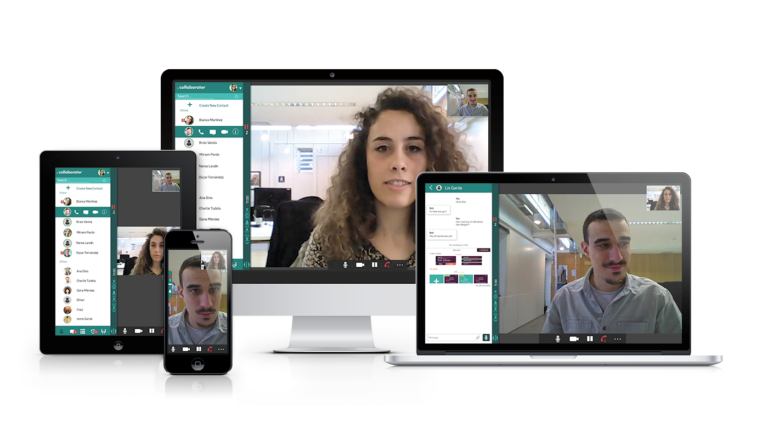
Quobis has announced the new portfolio for telcos and enterprises at the Mobile World Congress of Barcelona. For enterprises this includes two different solutions: Sippo collaborator and Sippo hub. More information in the docs attached. Sippo collaborator defined as an enterprise-grade multi-device unified communication suite fully-connected with existing customer PBXs and call center platforms. Sippo collaborator provides a complete set of advance features like…
Fraud mitigation in the contact center
Prevention is the best protection. That is why having a security policy that deals with the problems before they happen is primordial. A lot of these measures are widely known but they are not implemented diligently enough. We can differentiate security measures according to its scope in two big groups: Internal security policies, these are measures…
Quobis Outdoor Camp: flying 1538m
The VII Quobis Outdoor Camp was held in Pena Aventura Park in Ribeira da Pena (Portugal).
5 keys in business communications today
Business communications continue to evolve through a series of market, cultural and technological trends driven by the digital transformation of business networks. Let’s talk about some of these trends. The long goodbye of physical endpoints Where is the telephone? The era of the office (physical) phone system is coming to an end. The rapid changes…